Conservation is a team effort. At the Waldo County Soil and Water Conservation District (WCSWCD), our work often focuses on building the partnerships and management plans that make large-scale restoration possible. A key part of that role is staying informed on the technical processes our partners are implementing across the state.
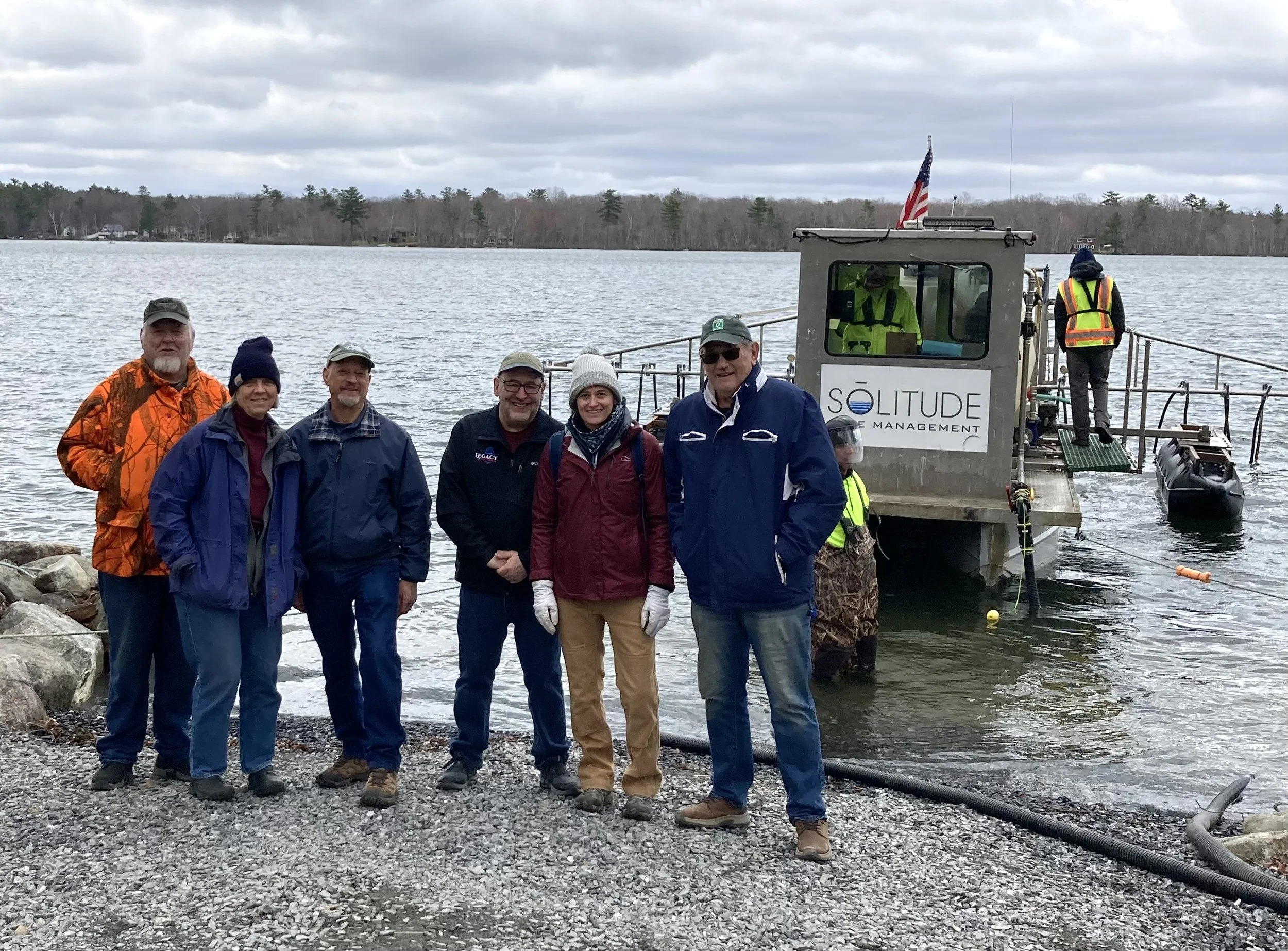
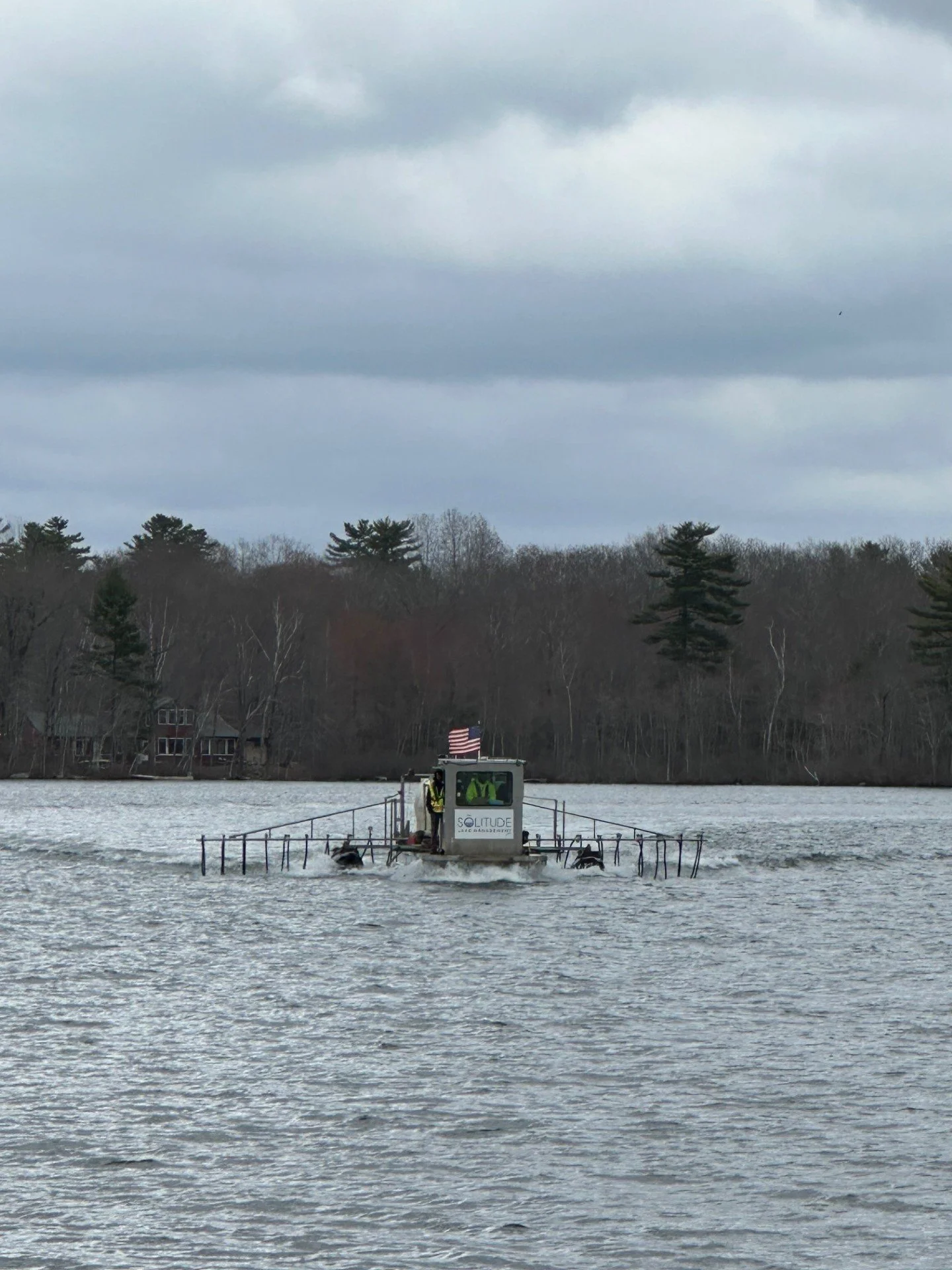
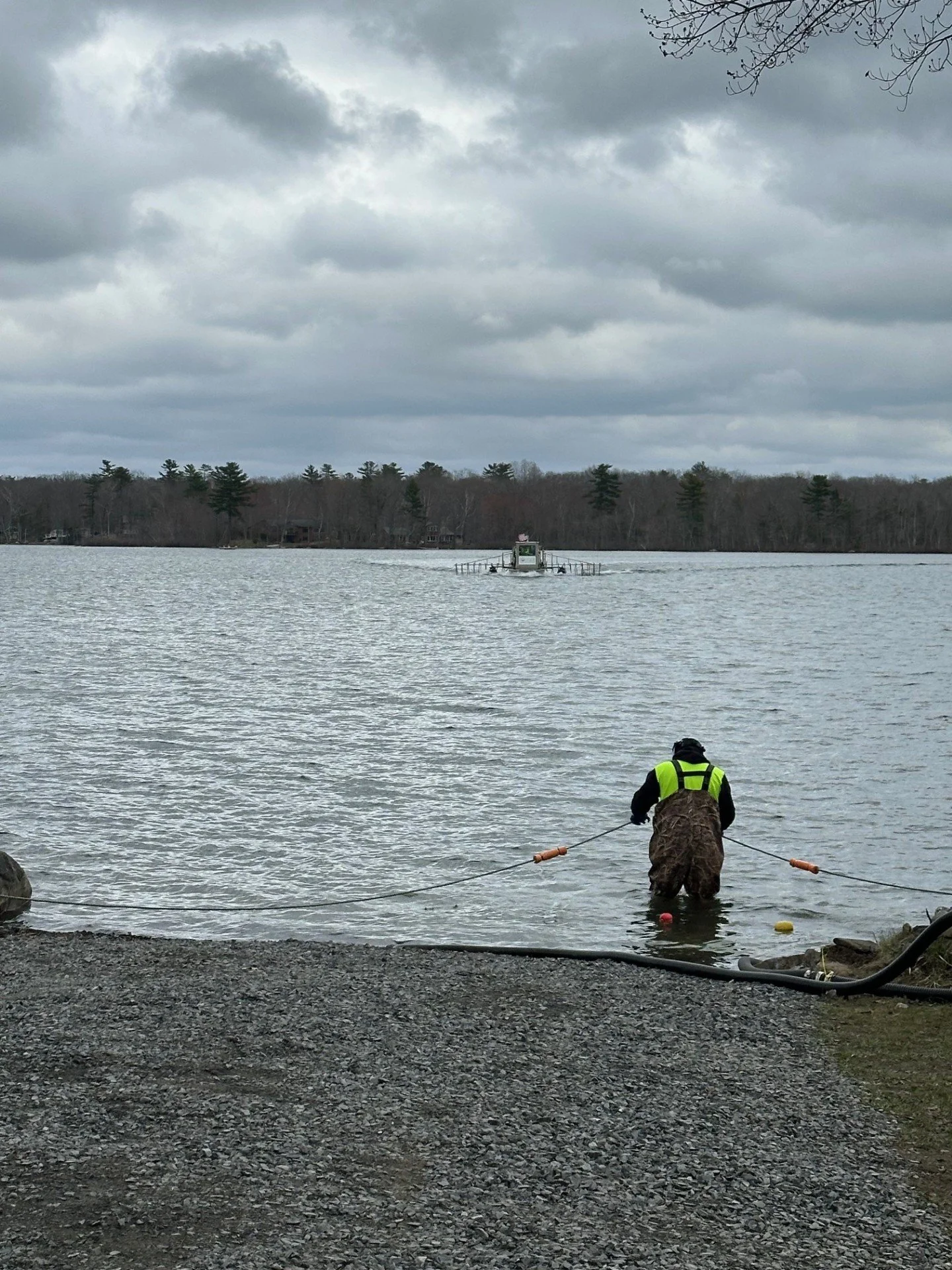
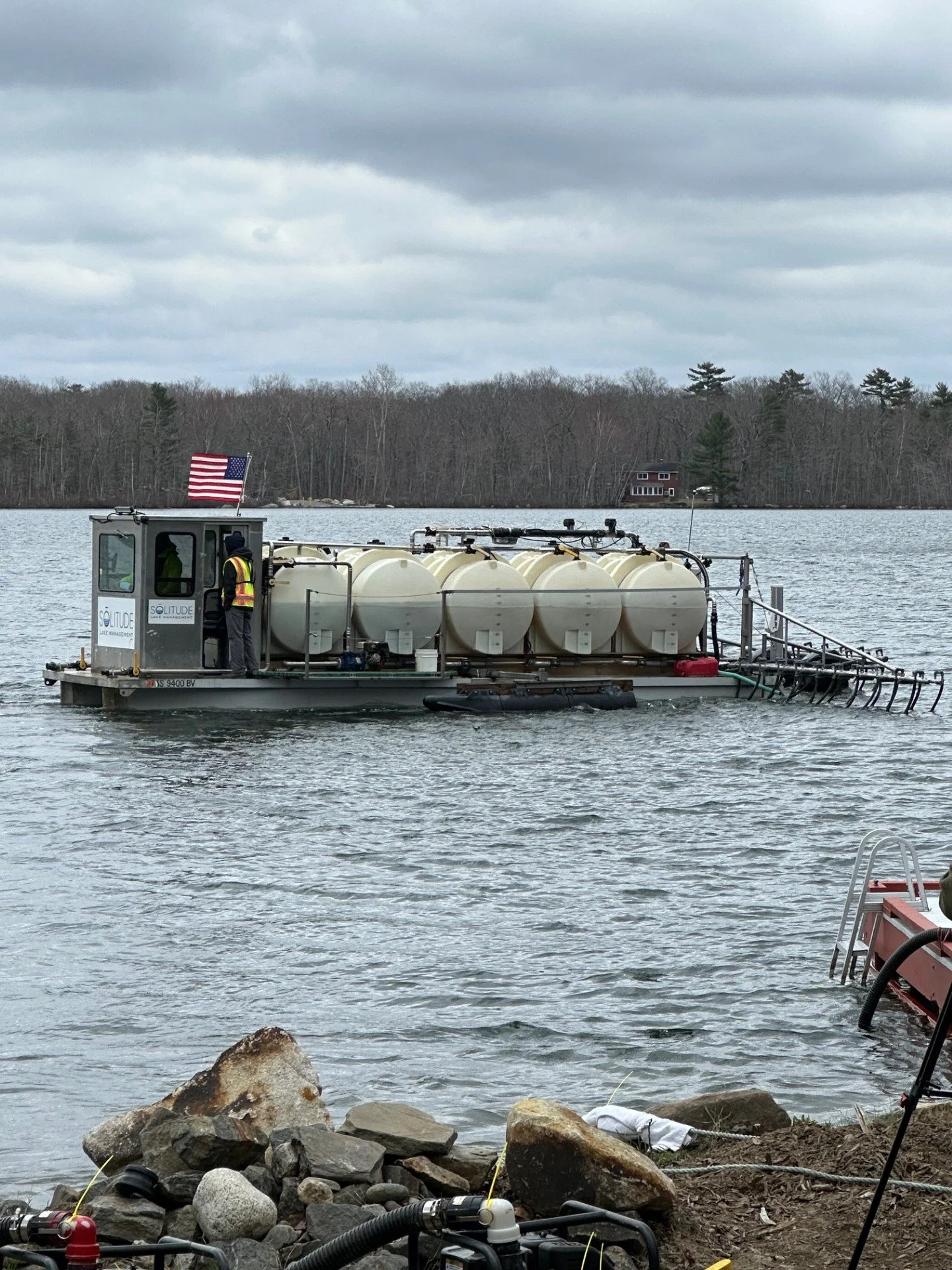
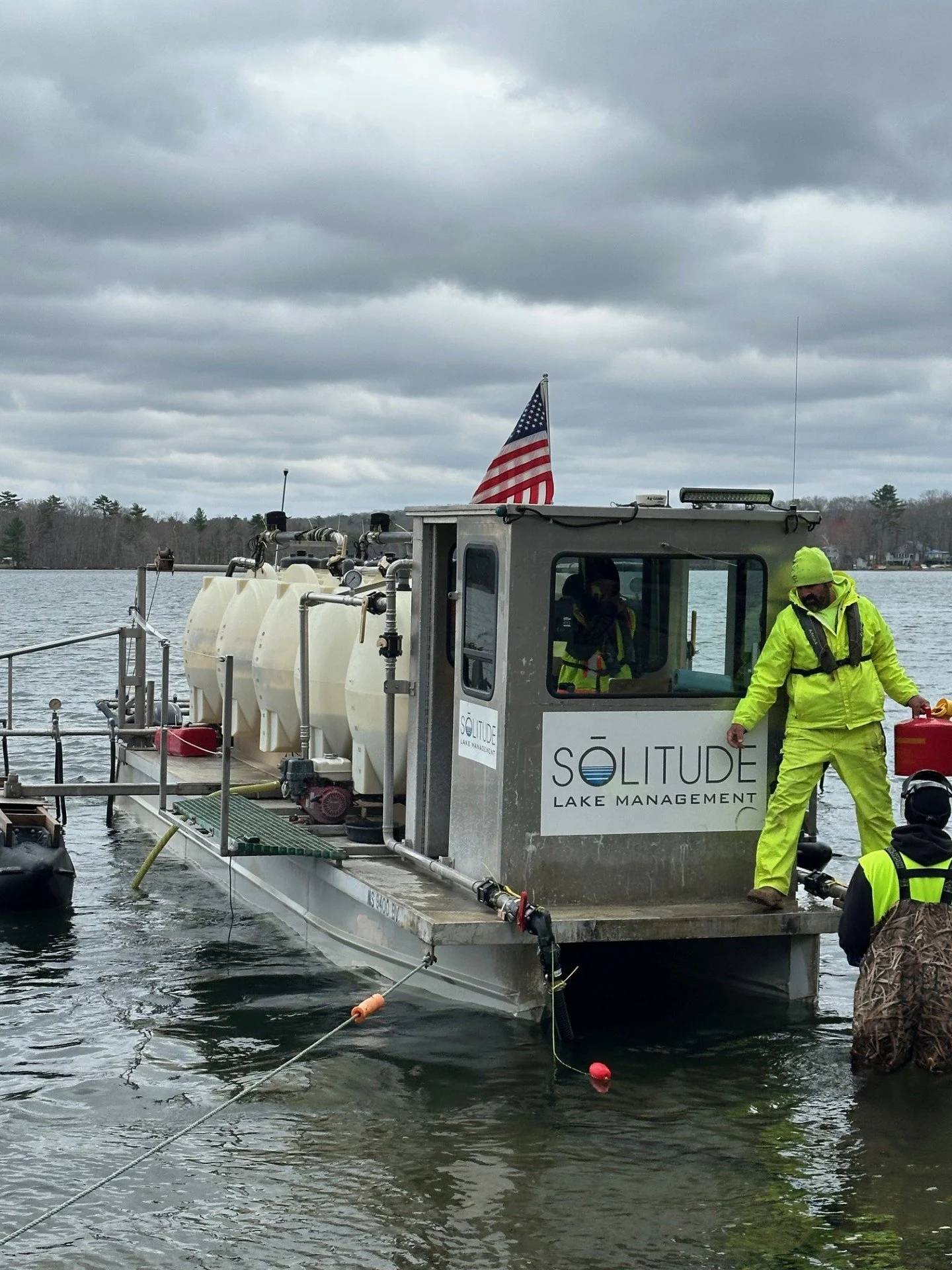
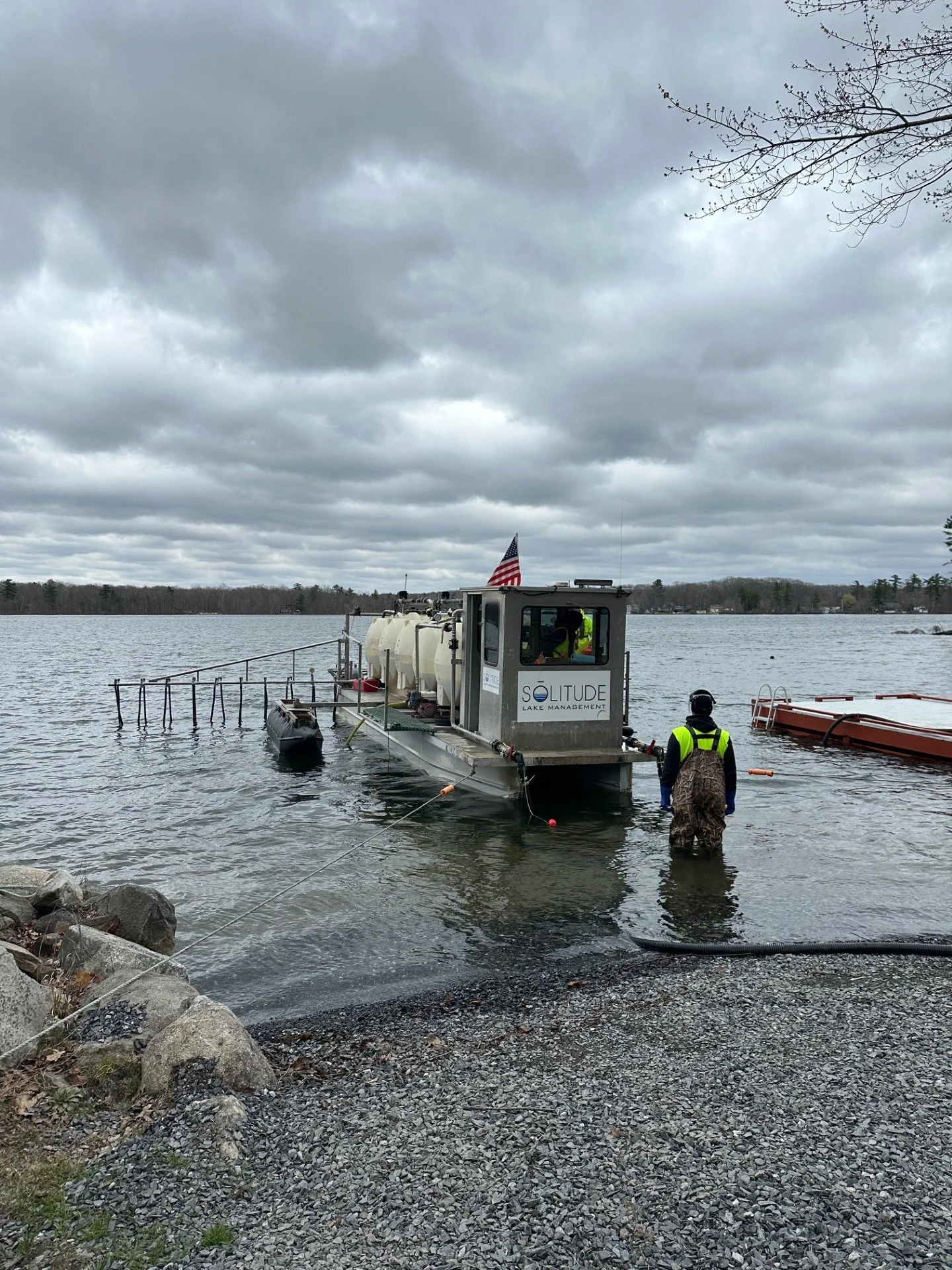
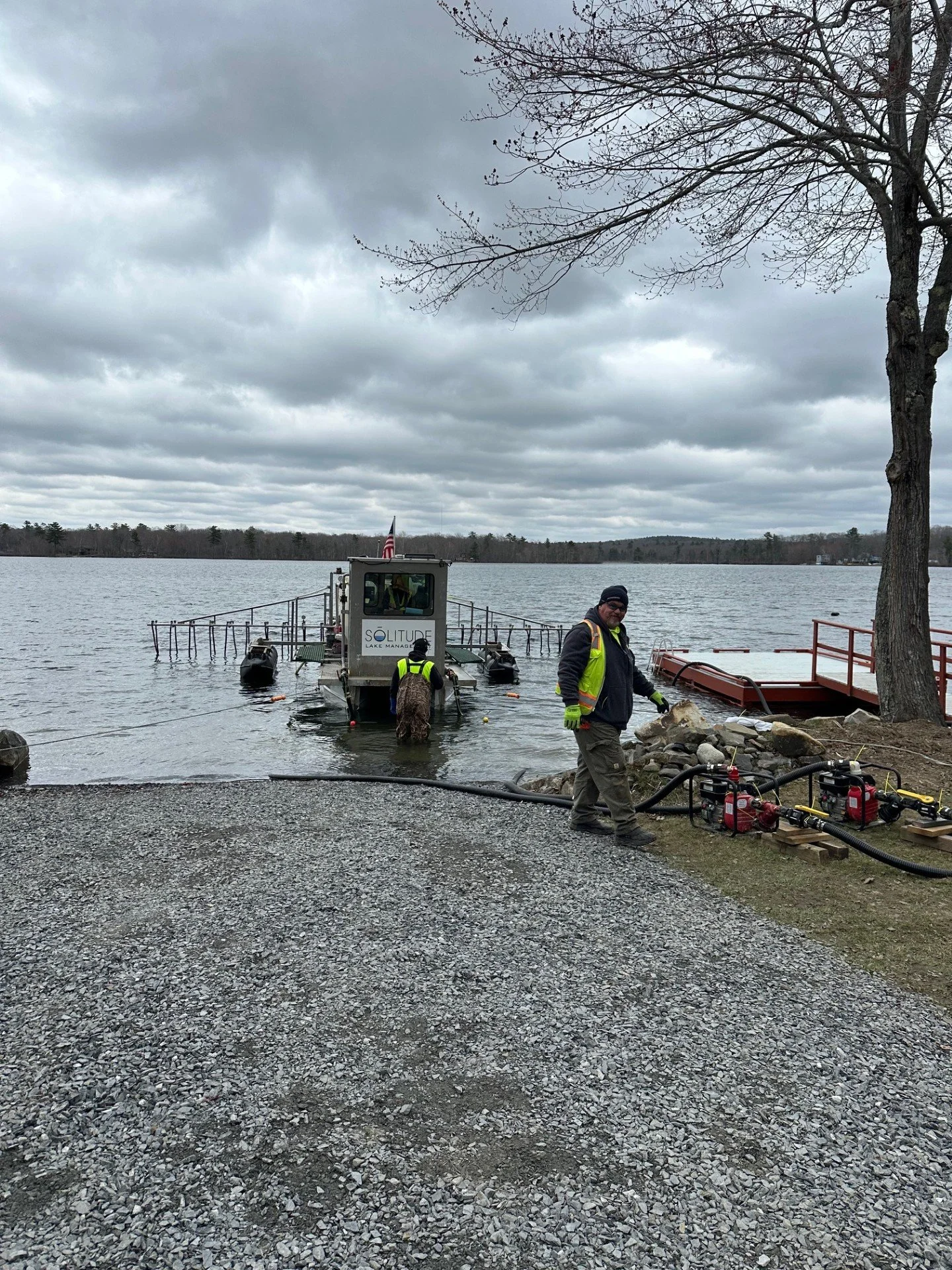
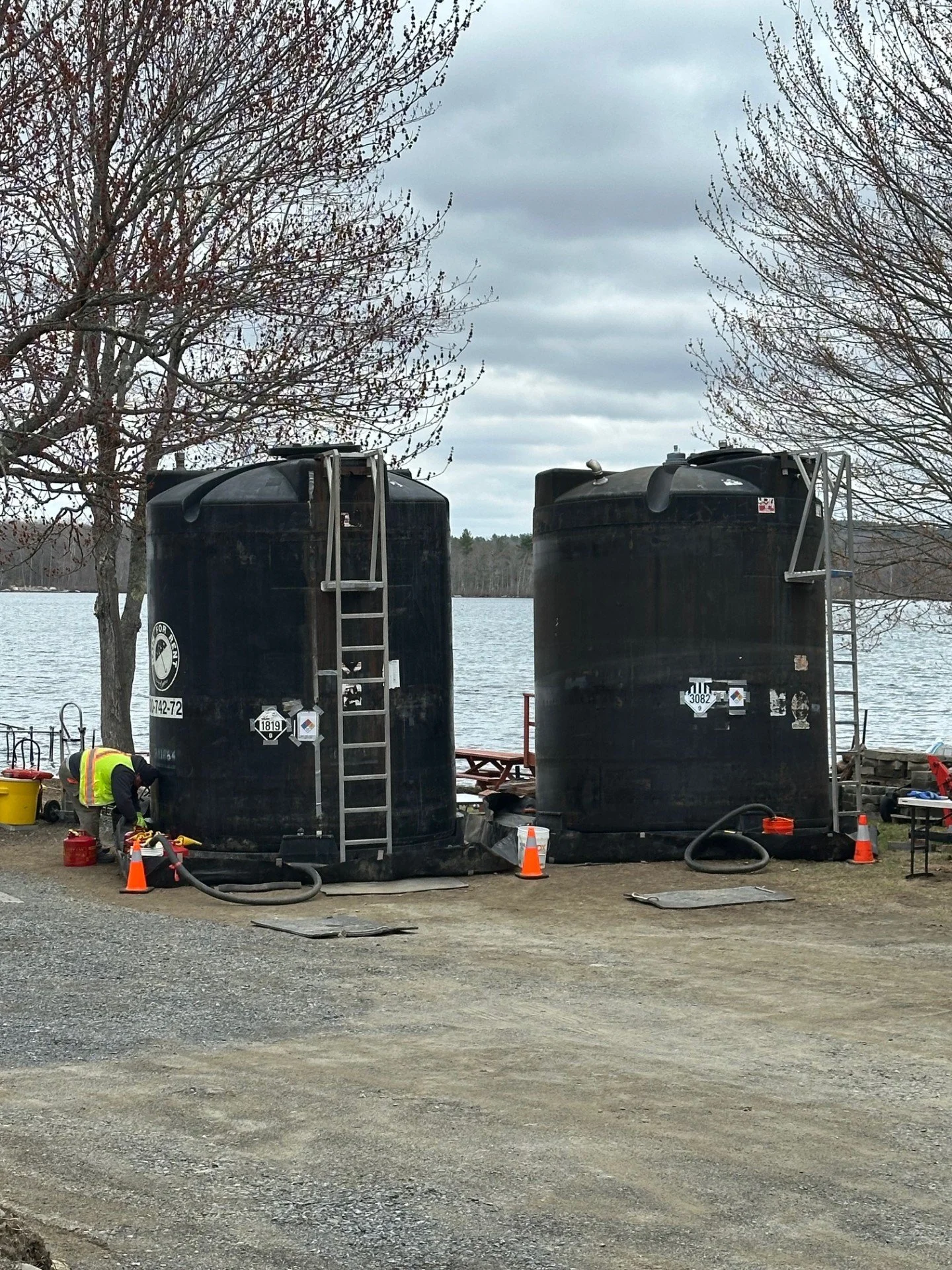
Today, I had the opportunity to join the Worromontogus Lake Association to observe the second dose of an alum treatment on Togus Pond. This was a vital learning opportunity as we look ahead to the community-led restoration work proposed for Unity Pond.
Observing the Process
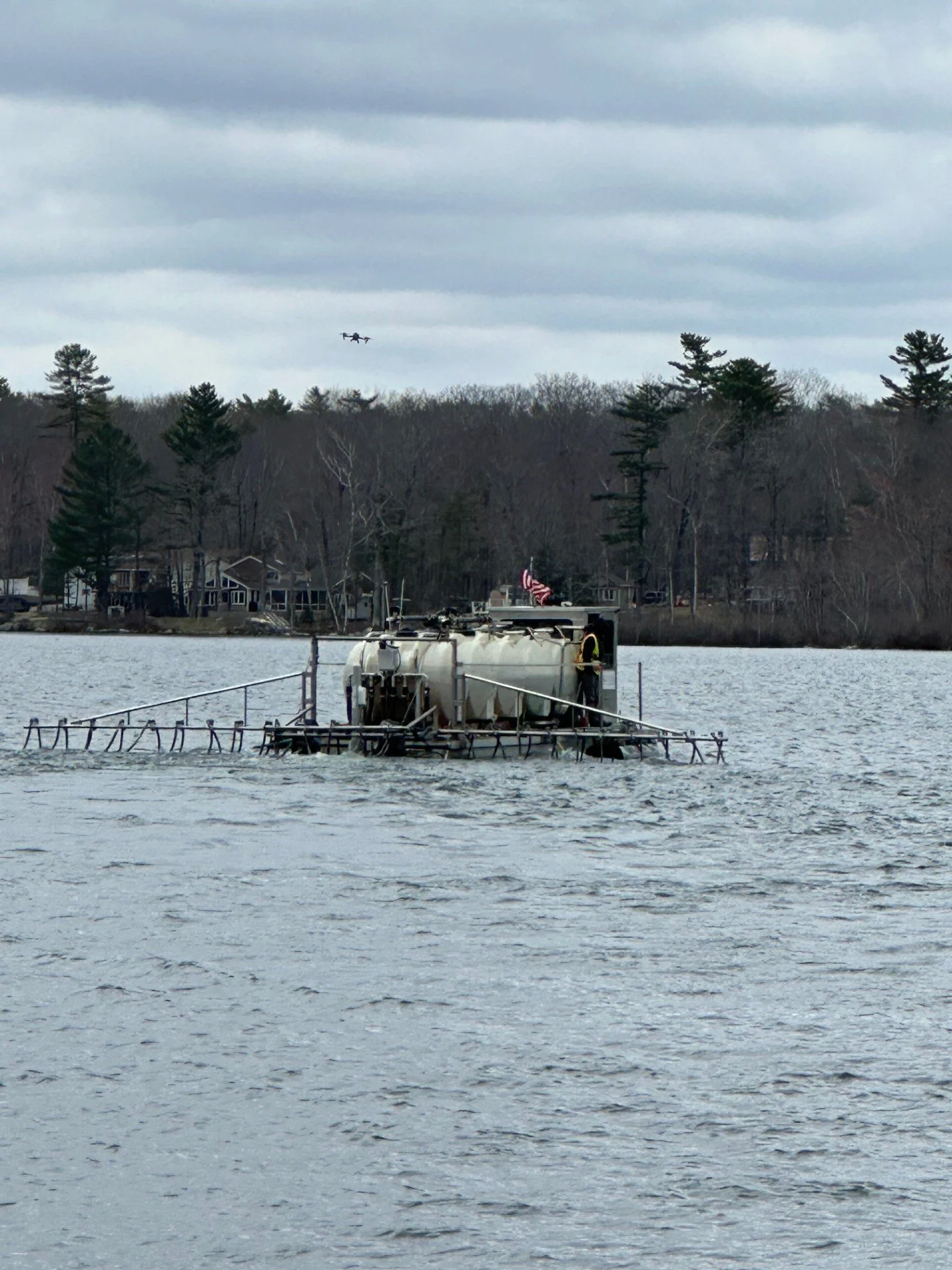
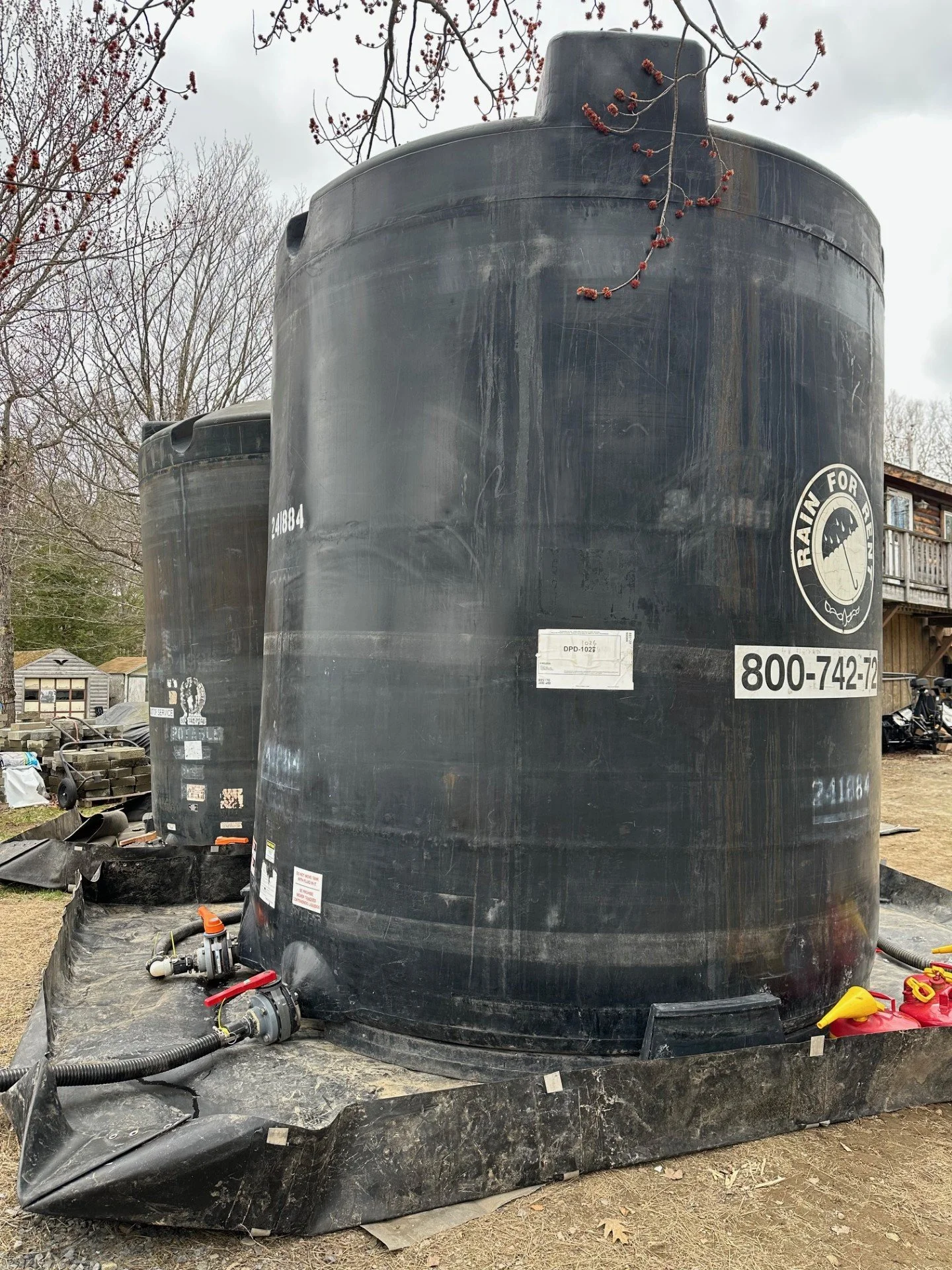
Friends of Lake Winnecook (FOLW) is currently leading the charge toward a planned alum treatment for Unity Pond. This effort is a core recommendation of the 2023-2032 Watershed-based Management Plan, which WCSWCD helped develop alongside FOLW and regional experts. The process involves applying a liquid solution (aluminum sulfate) that binds with phosphorus in the lake sediment, "locking" it away so it can no longer fuel the toxic algae blooms that impact water quality. At the same time, continued improvements across the watershed are essential to reduce erosion and sediment runoff into the lake, helping prevent additional phosphorus loading from undermining these restoration efforts.
Seeing this in action—the specialized equipment, the precise logistics, and the team at work—is key to understanding how these treatments integrate with the broader goals of protecting the Unity Pond watershed.
An Intersection of Passion and Expertise
What stood out most wasn't just the technical application, but the depth of commitment at the table. It was a unique intersection of local passion and national expertise. Regional leaders like Sarah Fagg and Doug Miller brought invaluable history and water quality monitoring expertise to the conversation. Having that local "on-the-water" knowledge ensures the science is grounded in the specific needs of the lake.
We also learned a great deal from Dominic Meringolo, a Project Manager with Solitude Lake Management, who shared insights from over 20 years of managing alum treatments across the country. Their collective mastery, paired with a clear dedication to getting this right, highlighted exactly the kind of precision and heart required for a successful treatment.
Partnership in Action
This visit was a powerful reminder of the collaboration happening across Maine’s lake communities:
The Worromontogus Lake Association provided an inspiring model of how a dedicated local group can successfully navigate a complex restoration project.
The Friends of Lake Winnecook (FOLW) was on the front lines, gathering data and documentation as they prepare to lead the Unity Pond effort.
Throughout the visit, Lake Stewards of Maine—represented by Tristan Taber—was on the water collecting in-lake data, continuously sampling parameters such as pH, temperature, and other water quality indicators critical to monitoring water chemistry. While not all partners were present that day, there is a strong network of knowledgeable partners. Lake associations dealing with similar issues have so much to learn from one another, such as the East Pond Lake Association, Georges Pond Association, North Pond Association, and many others. Their willingness to share “lessons learned” from their own restoration journeys—combined with critical water quality and sediment sampling from 7 Lakes Alliance that helps us understand phosphorus inputs to Unity Pond—is a key reason these projects can move forward with confidence.
A Look Ahead
To help the community visualize this work, videographer Jon James was on-site capturing interviews and drone footage. Be on the lookout for a video from FOLW soon that will share the details of the process and what it means for the lake ecosystem.
By learning from the success of our neighbors at Togus Pond, we can better support the organizations and volunteers working to ensure a healthy, clear future for Unity Pond.
You can learn more about Togus Pond’s alum treatment here: https://www.toguspond.org/general-2
You can learn more about Friends of Lake Winnecook’s work here: https://www.lakewinnecook.org/alum-treatment