Sandy Stream Monitoring Project
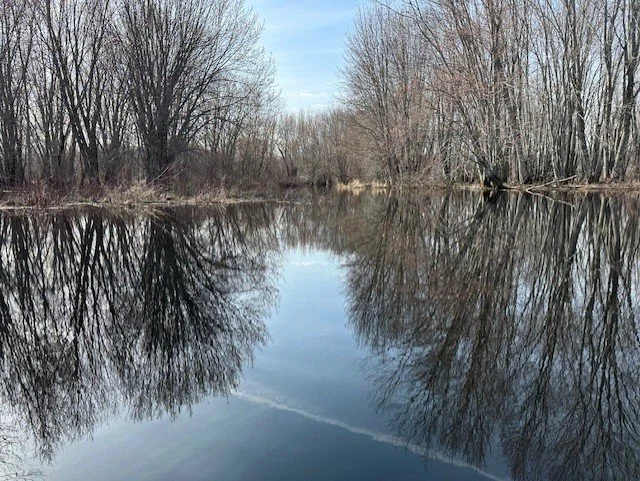
Monitoring Sandy Stream to Protect Unity Pond
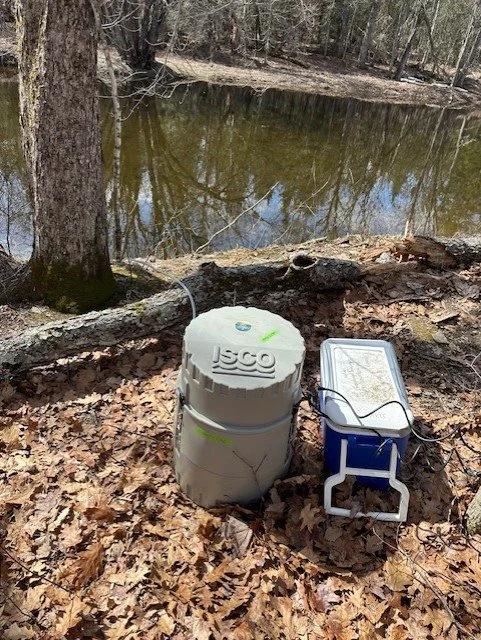
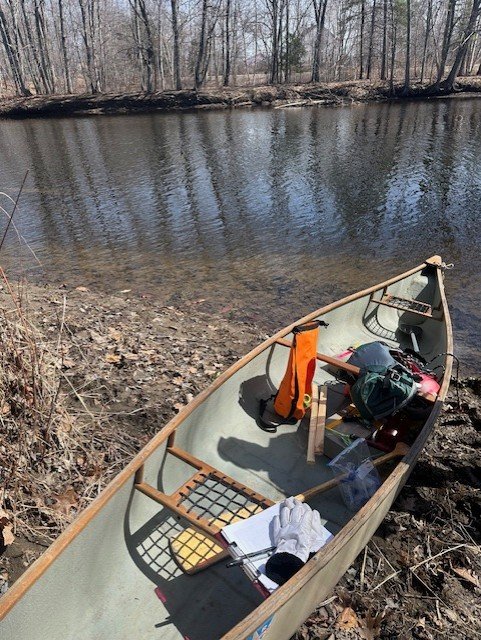
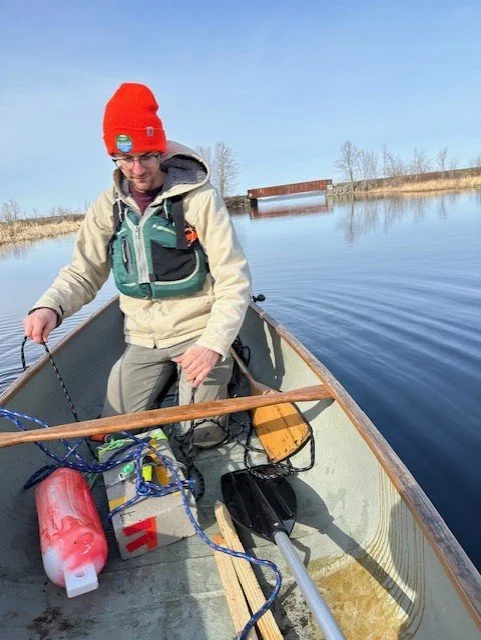
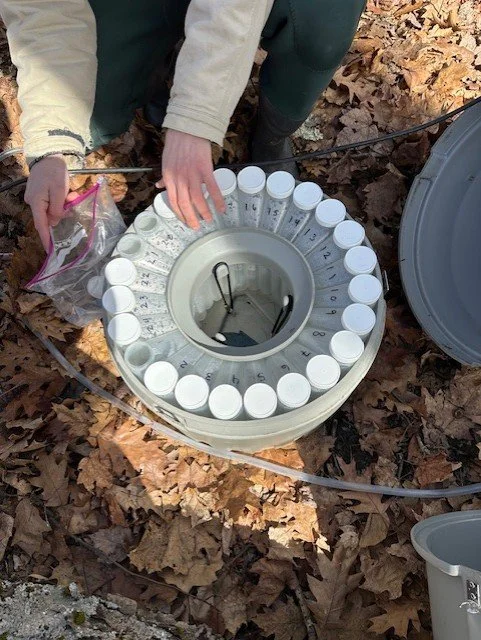
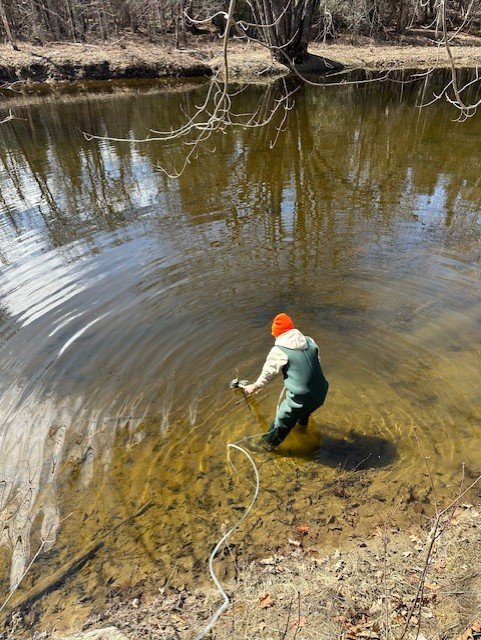
On April 2, 2026, Matt Farragher (7 Lakes Alliance) and Sarah Whateley (Waldo County Soil and Water Conservation District) installed monitoring equipment in Sandy Stream to better understand how water flows into Unity Pond and what it carries with it. Sandy Stream is an important part of the lake’s system, and this work will help us learn how it affects the health of the lake.
Why are we doing this? Our goal is to understand when Sandy Stream flows backward into the lake during large rainstorms, and what nutrients are entering the lake when this happens. Nutrients like phosphorus can fuel algae growth and harm water quality, so knowing when and how they enter the lake is key to protecting it.
Why does this matter? In the late 1800s, the Army Corps of Engineers installed a rail trestle at the outlet of Unity Pond, which altered the area’s natural water flow. Sandy Stream, once an inlet to the pond, was rerouted and now flows into 25-mile stream. However, during a one‑inch rainstorm in 2021, the Maine Department of Environmental Protection documented Sandy Stream flowing back into Unity Pond. If Sandy Stream turns out to be a significant source of nutrients to the lake during these storm events, we can take action upstream to reduce pollution before it reaches the water.
How is the monitoring being done?
This project is a collaboration with Friends of Lake Winnecook, 7 Lakes Alliance (Dr. Danielle Wain and Matt Farragher), and Colby College (Dr. Aleja Ortiz and Dr. Whitney King). We are especially grateful to 7 Lakes Alliance and Colby College for providing monitoring equipment and contributing staff and student time to make this work possible. We installed the instrumentation at three locations along Sandy Stream to track water flow and quality.
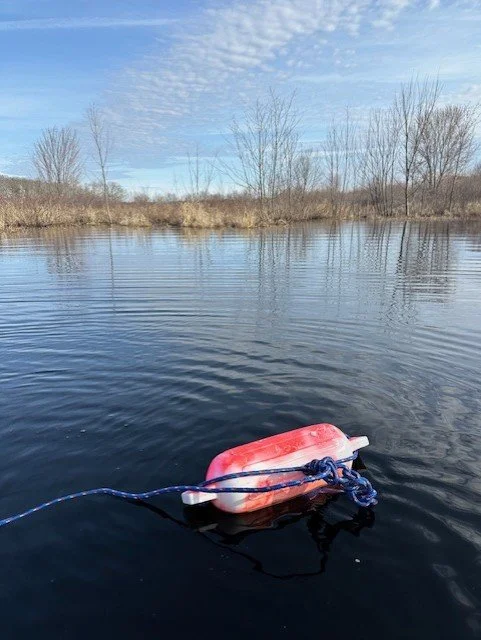
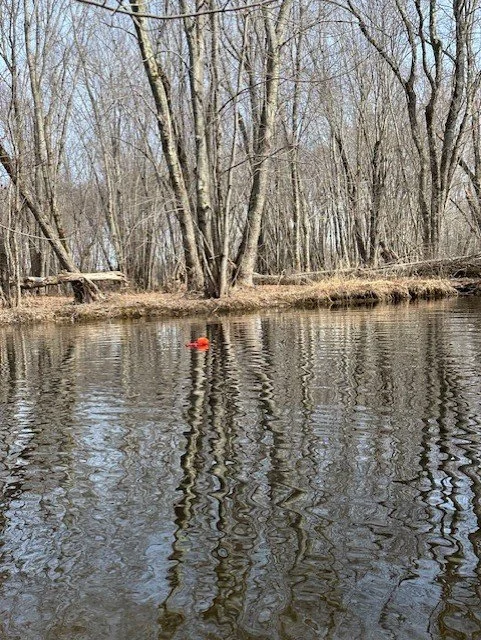
You may notice new buoys at the outlet of the lake and along Sandy Stream. These mark where equipment is located and are essential to the project. Please do not move or disturb them (see attached photos).
What’s next?
The equipment will remain in place through the summer. Afterward, we’ll analyze the data and share what we learn with the community. This information will help guide future efforts to protect Unity Pond from nonpoint source pollution and keep the lake healthy for years to come.
We’re excited to learn more and grateful for our partners and the community’s support!