
LEAVE YOUR LEAVES
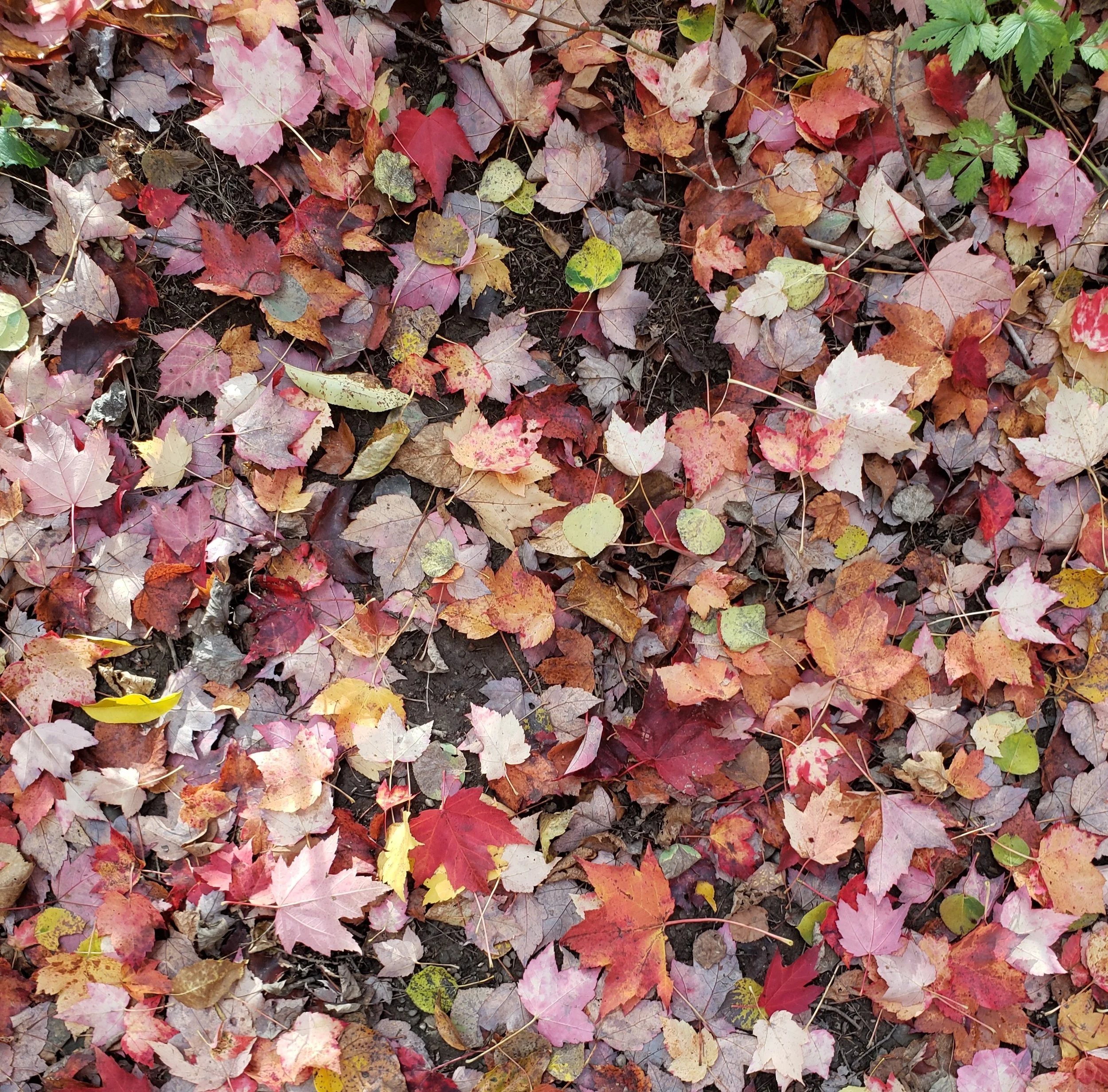
Photo by: WCSWCD
Why should you leave your leaves?
Leaves are an important habitat for many pollinators and invertebrates. Wildlife like butterflies, bumble bees, fireflies, and salamanders depend on the leaf layer. It provides shelter they need to survive the winter. Turtles, toads, birds, and other mammals also rely on leaf litter for food or nesting material.
Leaving your leaves also can help to improve soil quality. Leaves can help retain moisture, add nutrients to the soil, suppress weeds, and help insulate perennial plants for the winter. Letting those leaves decompose can result in leaf mold which is great for moisture retention and adding nutrients as well.
Taking your leaf litter and other yard debris to the landfill instead of leaving it contributes to the release of methane. Leaf litter and yard debris account for more than 13% of the nation’s solid waste every year, this waste ends up releasing methane if it doesn’t get enough oxygen to decompose. Solid waste landfills are the biggest man-made methane source in the US. To learn more click here.
Leaves don’t have to be left where they fall to be beneficial. Where should your fallen leaves be left?
In your garden, around trees, around the edges of your lawn, or your compost. To compost your leaves combine them with grass clippings and other “green material” like fruit and veggie scraps. For more information on composting check out some tips here.
Try to avoid shredding the leaves as you may be killing some invertebrates or destroying their eggs/cocoons already settled in the leaf layer, raking and leaf blowing is gentler. Shredded leaves also don’t provide the same cover as they do when they are intact.
Now is also the time to keep soil disturbance to a minimum. Many bees nest underground over winter so try to keep any work with soil as shallow as possible and try to keep an eye out for any bees while you are working.
If you still need to remove some leaves make sure you wait to clean them up until late spring where most invertebrates will have hatched by then. Waiting to cut back everything until late spring is also beneficial. Stems of perennial plants can provide shelter for many insects including bees, and seed heads provide food for birds over winter as well.
There are so many benefits to leaving your leaves including less yard work for you!
Check out some resources here for more information:
https://www.nwf.org/leavetheleaves
https://xerces.org/blog/leave-the-leaves
https://www.nwf.org/Magazines/National-Wildlife/2015/OctNov/Gardening/Leave-the-Leaves
https://blog.nwf.org/2023/10/seven-species-that-need-you-to-leave-the-leaves/
Photo by: WCSWCD